Posted by:
Susannah Birkwood
,
June 10, 2026
Sometimes, a story has all the right ingredients for media interest but it still needs the right framing, timing and assets to give it the best chance of landing.
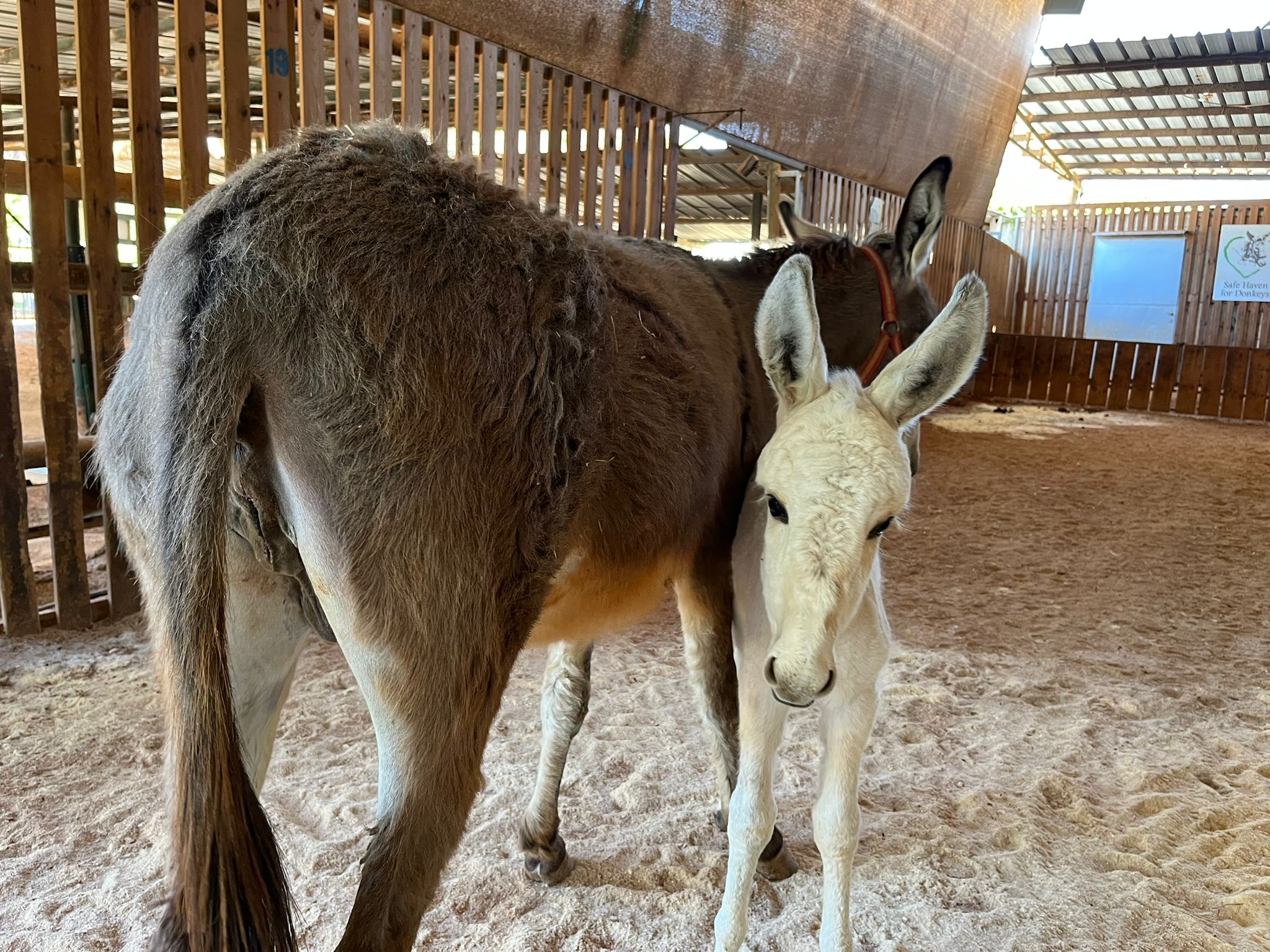
That was the case with Gervais, the tiny foal born at Safe Haven for Donkeys’ sanctuary in Israel after her pregnant mum, Deborah, was found abandoned in Israel’s Negev desert.
We secured coverage of Gervais' story across Yahoo News, Your Horse, More Radio, Chortle and several regional newspapers including The Argus and Sussex Express alongside strong social media engagement from the Daily Mail and others.
There were three particularly strong elements that contributed to the story getting picked up.
First, there was a clear “triumph over adversity” arc. Deborah’s story began with abandonment and uncertainty. It ended with expert care and the birth of a healthy foal. That gave the story emotional weight without making it feel bleak.
Second, the pictures and video were strong. For animal stories, this really matters. A journalist needs to be able to picture the story on the page or online before they commit to covering it. In Gervais’ case, the images were warm, clear and instantly engaging.
Third, there was a celebrity connection. The fact that Gervais was named after comedian Ricky Gervais, who donated £100,000 to Safe Haven for Donkeys last year, gave the story an extra hook. It also helped the story travel on social media, with Ricky himself sharing Chortle’s post about the foal.
The pitch went out ahead of World Donkey Day, giving journalists a timely reason to cover it. That helped move the story from being a nice internal charity update to an awareness-day feature worthy of national attention.
It also landed on a crowded news day, with election results dominating much of the media agenda. That made the response even more encouraging.
The lesson here is that when the link between a story and an awareness day is genuinely relevant, it can give journalists a reason to run something now rather than later.
Not every charity will have a newborn foal, a desert rescue and a Ricky Gervais connection. But the wider principles apply across the sector.
When assessing whether a story might work for media, ask:
Gervais’ story worked because it was hopeful, visual and easy to understand. But it also worked because the pitch was shaped carefully around what different journalists and audiences would respond to.
For charities, that is the real lesson. Good PR is not just about sending out good news. It is about spotting the media potential in a story, finding the right moment, packaging it clearly, and making it as easy as possible for journalists to say yes.